Italian cooking is seasonal at its root, not as a marketing line but because the cuisine grew up around gardens. The same restaurant in Statesville cooks a slightly different menu in April than in October, and knowing the rhythm helps you order the plate the kitchen is most glad to be making. North Carolina's seasons line up with Italy's better than most people expect: hot summers, real winters, and long shoulders on both sides.
Here is the year at an Italian table in the Piedmont, season by season.
The seasonal checklist
- Spring: look for asparagus, peas, and lighter lemon and herb sauces as menus turn over from winter.
- Early summer: basil and fresh tomato sauces start appearing, and salads move to the center of the table.
- Peak summer: eggplant dishes, including rollatini and parmigiana, hit their stride when local eggplant is plentiful.
- Fall: mushroom sauces, including marsala, deepen, and braised meats return as evenings cool.
- Winter: baked pastas and rich, slow dishes carry the menu, with citrus brightening heavy plates.
- Year round: ask what the kitchen is excited about. Seasonal cooking always has an answer.
Why the shifts happen
Some of it is produce. Basil in January is a shipped, tired version of the July plant, and a kitchen that cares will lean on dried herbs and preserved flavors in winter instead of pretending. Eggplant, tomatoes, peppers, and sweet corn all have genuine North Carolina seasons, and dishes built on them, eggplant rollatini above all, taste like a different recipe in August than in February.
Some of it is appetite. Piedmont summers are hot and humid, and a lemon piccata or a seafood plate with a salad fits the weather the way a baked ziti does not. Winter reverses the logic. The seasonal menu is partly the kitchen reading the same sky you are.
Using the rhythm as a customer
The practical move is to ask one question: what is the kitchen running right now that is not always on the menu? Seasonal specials are where an Italian kitchen puts its current best ingredients, and they are usually priced like the regular menu because the ingredients are at their cheapest when they are abundant.
If you eat Italian food four or five times a year, spreading those visits across the seasons will show you four different restaurants wearing the same name. That is not inconsistency. That is the cuisine working the way it was designed to.
Preserving the seasons: the Italian backup plan
Italian kitchens also cheat the calendar honestly, with preserved ingredients that carry summer into winter. Sun dried tomatoes, jarred and packed at the season's peak, show up in cold months with their concentration intact. Good olive oil, dried porcini mushrooms rehydrated into sauces, and tomato sauces put up from ripe fruit all let a kitchen serve the memory of August in January without lying about it. When a winter menu leans on these, it is not being less seasonal. It is using the cuisine's oldest seasonal technology, which is preservation.
Drinks follow the same rhythm if you let them. Lighter white wines and chilled glasses suit the summer table of seafood and salads. Deeper reds come into their own against fall mushrooms and winter baked dishes. None of this requires expertise, just the willingness to ask the server what the kitchen is pairing this month. Seasonal eating, at a restaurant, mostly means ordering what the people cooking are currently enthusiastic about, and in an Italian dining room that enthusiasm is very easy to find.
There is a social side to the rhythm as well. Regulars at a seasonal kitchen learn to anticipate dishes the way gardeners anticipate tomatoes: the first asparagus special of spring, the return of marsala weather in October, baked pasta season arriving with the first cold snap off the Brushy Mountains. A restaurant that cooks this way gives its town a small annual calendar of pleasures, and showing up for them is one of the quieter rewards of eating locally in a place like Statesville instead of eating the same menu in every season everywhere.
Common questions
When is eggplant at its best on an Italian menu?
Late summer into early fall, when local eggplant is plentiful and firm. Dishes like rollatini and parmigiana are at their peak then.
Why do Italian menus change with the seasons?
The cuisine is built around garden produce and weather-driven appetites. Ingredients peak at different times, and lighter or richer dishes suit different seasons.
How can I tell what is seasonal at a restaurant?
Ask what the kitchen is running as a special. Seasonal dishes appear as specials first because that is where the current best ingredients go.
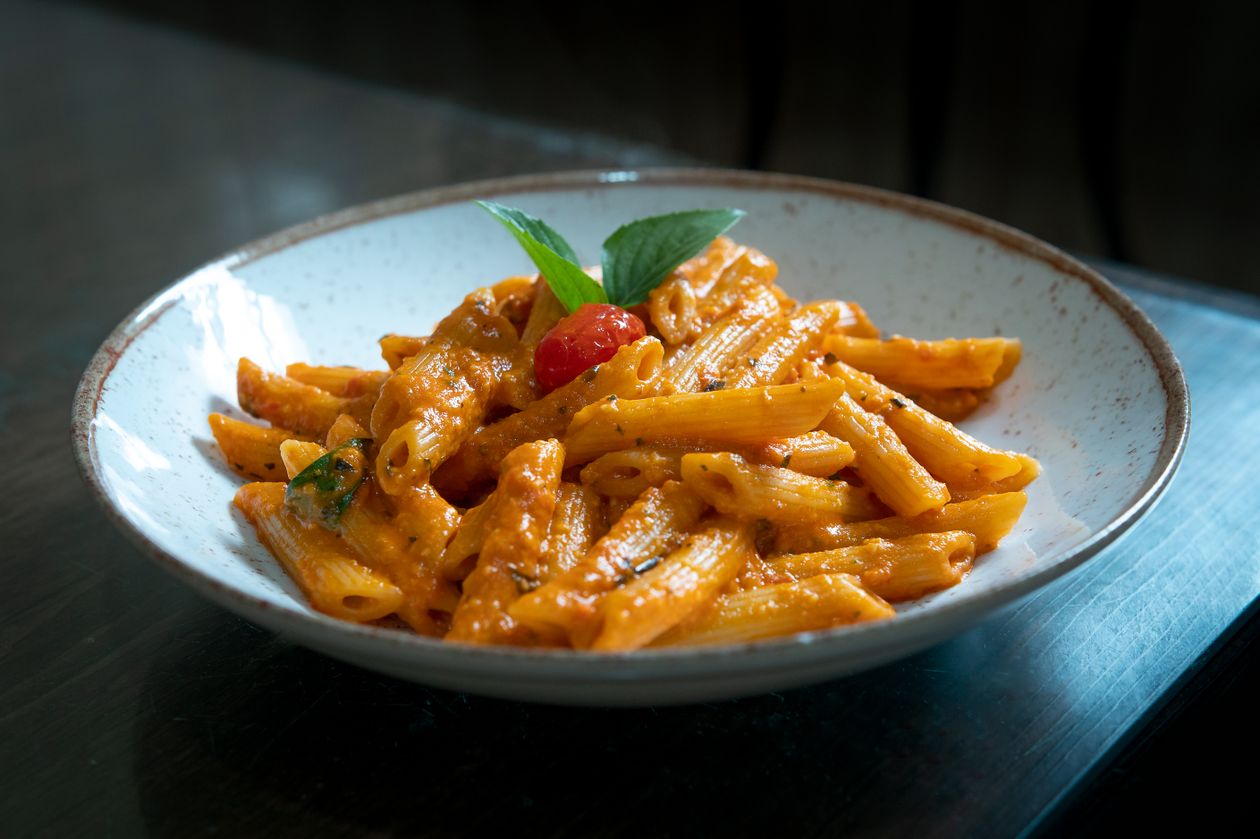
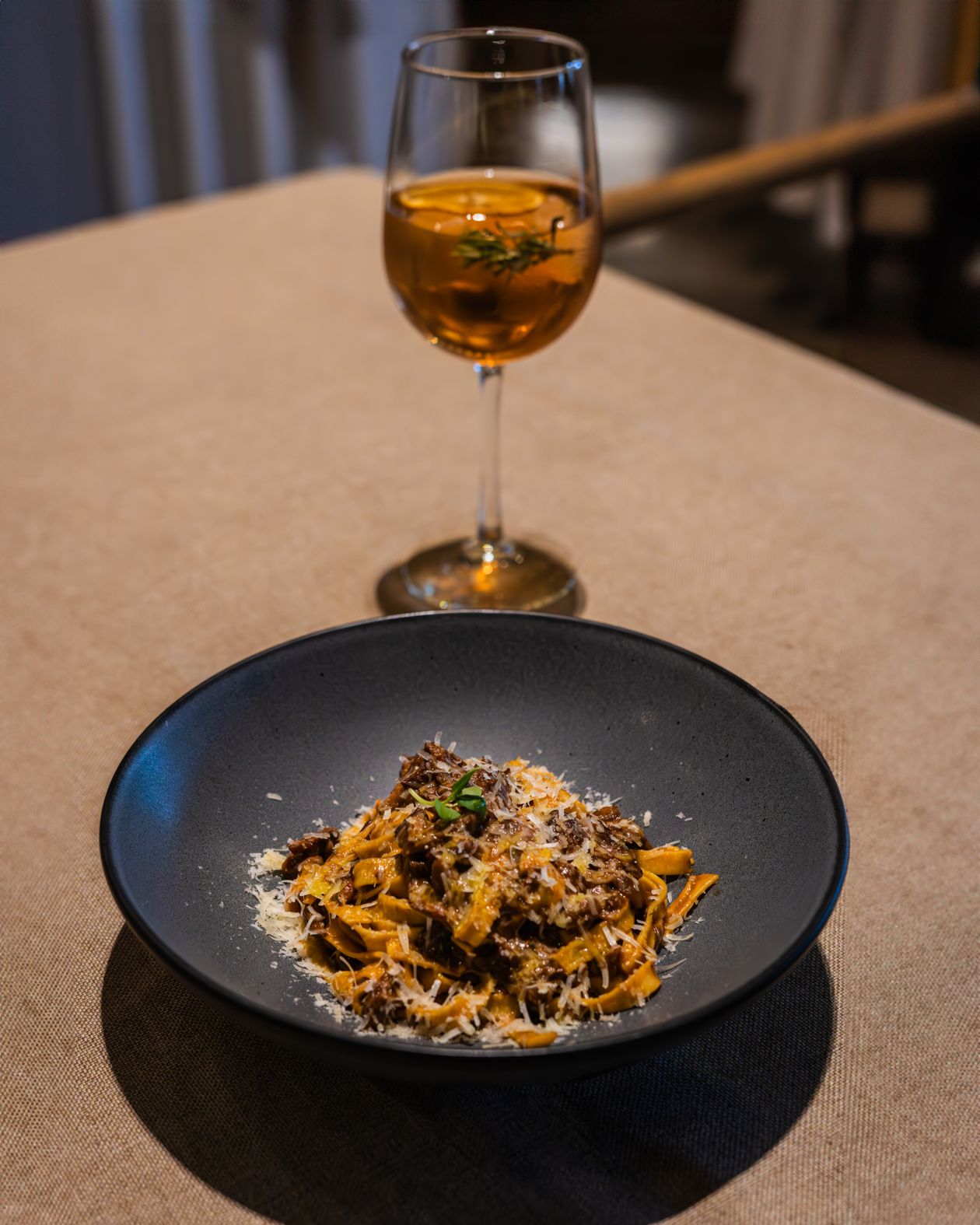
Photos in this guide are representative stock images.
← All guides from Mezzaluna II← Back to Mezzaluna II