Chicken three ways sits on almost every Italian menu in Statesville: marsala, piccata, parmigiana. Same bird, three completely different dinners, and the only thing separating them is the word after the protein. Those words are the oldest menu shorthand in Italian cooking. Each one names a sauce and a method at once, and each produces a plate with a distinct personality.
This is the side-by-side guide, so you can order the one you actually want instead of the one you have had before.
Marsala: the deep one
Marsala sauce starts with mushrooms sauteed in the pan, then Marsala wine, a fortified wine from western Sicily, reduced with stock until it turns glossy and concentrated. The flavor is earthy and rounded with a gentle sweetness underneath. The protein, usually chicken breast or veal scallopini, is floured lightly and seared so the sauce has something to cling to. Marsala is the choice for people who want the richest, most autumnal plate of the three, and it pairs naturally with pasta or mashed potatoes that can take up the extra sauce.
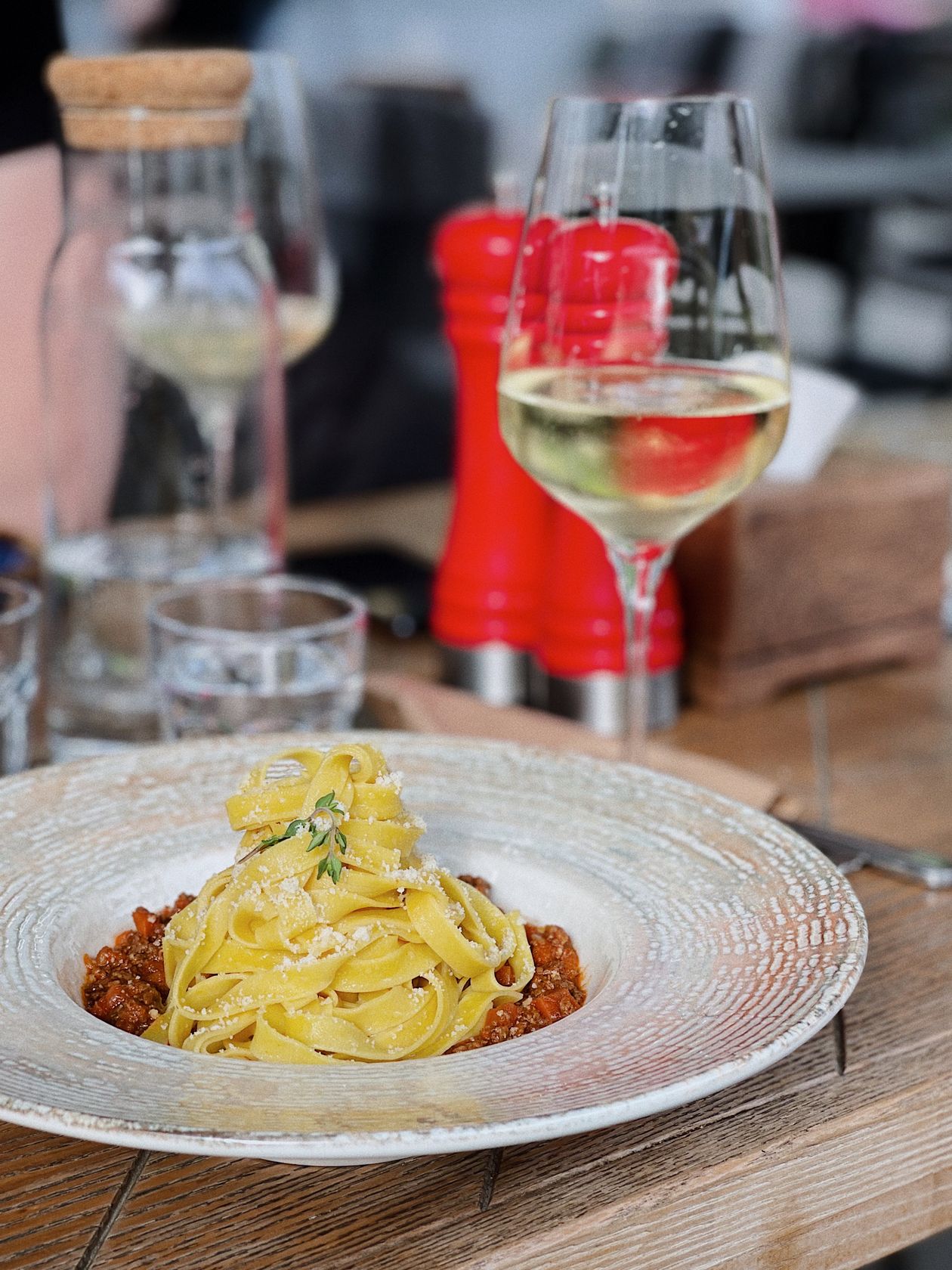
Piccata: the bright one
Piccata is marsala's opposite in mood. The protein is seared, then the pan sauce is built from lemon juice, capers, butter, and a splash of white wine or stock. It is thin, sharp, and clean, designed to cut through the richness of the meat rather than add to it. If marsala is a sweater, piccata is a pressed shirt. It suits fish as well as chicken, and it is the safest of the three for a hot Carolina evening when a heavy plate sounds like work.
Parmigiana: the baked one
| Name | Core flavors | Texture | Usual proteins |
|---|---|---|---|
| Marsala | Marsala wine, mushrooms | Silky, deep, slightly sweet | Chicken, veal |
| Piccata | Lemon, capers, butter | Bright, light, sharp | Chicken, veal, fish |
| Parmigiana | Tomato, mozzarella, baked | Rich, layered, crisp edges | Eggplant, chicken, veal |
| Francese | Egg batter, lemon butter | Soft coating, delicate | Chicken, shrimp |
| Saltimbocca | Prosciutto, sage, white wine | Savory, aromatic | Veal, chicken |
Parmigiana is not really a sauce name at all. It is a construction: breaded and fried cutlets or eggplant slices, layered with tomato sauce and mozzarella, then baked until the cheese browns at the edges. It is the heartiest of the three and the one that travels worst, because the crisp coating softens under sauce as it sits. Order it to eat in the dining room, and order piccata or marsala for takeout if the drive is long.
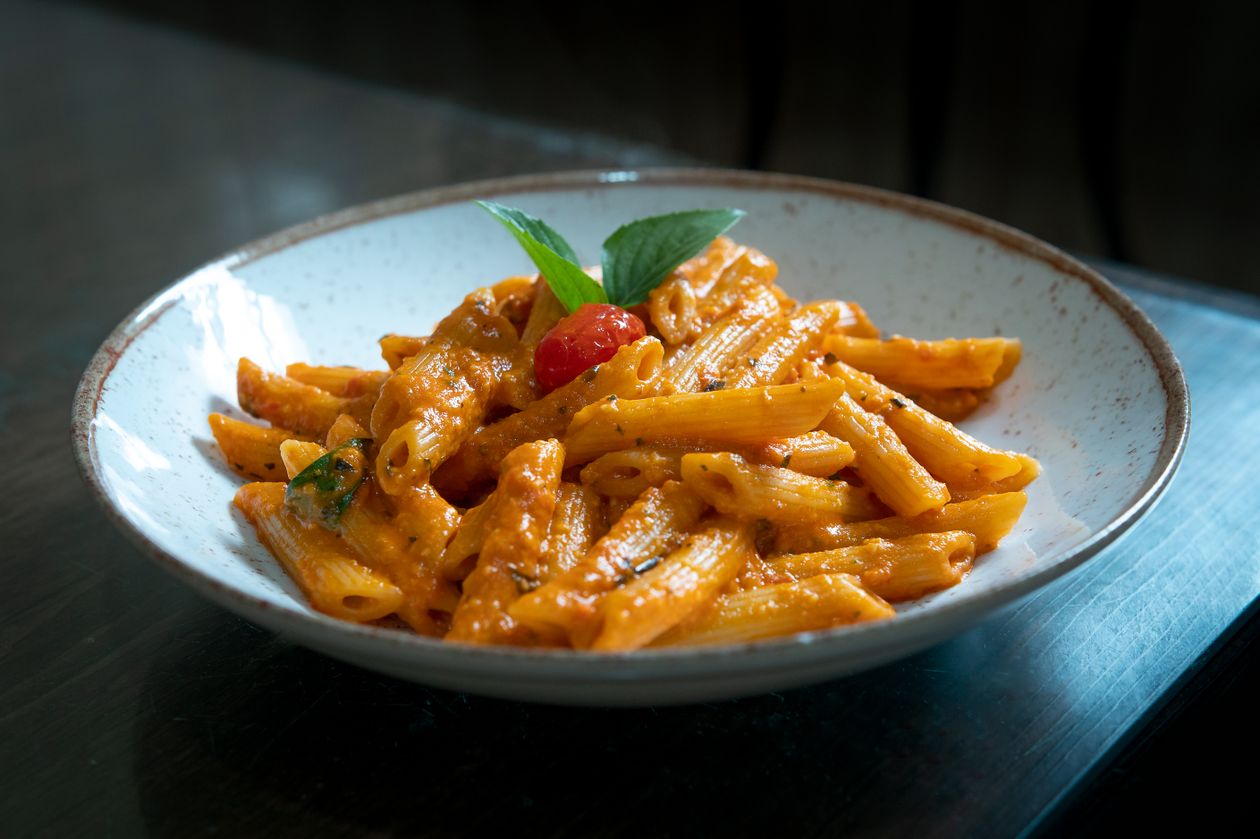
The useful takeaway is that these names are stable across kitchens. A marsala in Statesville and a marsala in another town will differ in execution, but the sauce's identity, wine and mushroom, deep and silky, will be the same. Once you know your preference among the three, you have a reliable order at any Italian restaurant you walk into.
Two more names worth adding to your vocabulary
Once the big three are sorted, two neighboring builds round out the chicken section of most menus. Francese coats the protein in a light egg batter before it meets the pan, then finishes it in a lemon butter sauce similar to piccata but softer, without the capers' bite. It is the gentlest plate in the family and a kind one to order for anyone who finds piccata too sharp. Saltimbocca goes the other direction: the cutlet is topped with prosciutto and sage and finished with white wine, giving the most savory and aromatic plate of the group.
Notice the pattern underneath all five. Italian chicken cookery is a small set of techniques, searing, pan sauces, battering, baking, applied to the same few proteins with different flavor signatures. That is why learning the names pays off permanently. You are not memorizing dishes. You are learning a grammar, and once you have the grammar, every Italian menu in every town becomes a short story you can read at a glance, including the specials board, where the kitchen writes its newest sentences.
One last practical tip: when a menu lists the same protein with several of these names, the kitchen is telling you it runs a proper saute station. Order with confidence, and order across the table if you can. Three people ordering marsala, piccata, and parmigiana turns one dinner into a tasting of the whole grammar, and it is the fastest way to find your own preference.
Common questions
Which is richer, marsala or piccata?
Marsala, by a wide margin. Its wine and mushroom sauce is deep and silky, while piccata is a light lemon and caper butter sauce built to taste bright.
Is parmigiana a sauce?
No. It describes a construction: breaded, fried protein or eggplant layered with tomato sauce and mozzarella, then baked until bubbling.
Which of the three is best for takeout?
Piccata or marsala. Parmigiana's crisp breading softens under its sauce and cheese during the drive, so it is best eaten in the dining room.
Photos in this guide are representative stock images.
← All guides from Mezzaluna II← Back to Mezzaluna II