Restaurant catering looks, from the outside, like the restaurant simply making more food. From the inside it is a different discipline: the food must survive a drive, sit gracefully, and serve people who are standing up, talking, and not necessarily eating at the same moment. Knowing how caterers think helps a host in Statesville order the right things for a company event, a tailgate, or a family celebration, and skip the dishes that only work at a table.
The process, step by step
- Start with the event shape. Headcount, location, and whether guests will sit or mingle decide the menu format before any dish is chosen.
- Build the menu around holding power. Baked pastas, marsala, and salads travel and hold well. Delicate seafood and crisp fried items do not.
- Agree on delivery and setup. Confirm who provides chafing dishes, serving utensils, and plates, and what time food leaves the kitchen.
- Flag dietary needs in numbers. Two vegetarian and one gluten free is actionable. Some people have restrictions is not.
- Do a final count check. A call two days out to confirm numbers protects both the host's budget and the kitchen's prep.
Flexible menus are the norm for a reason. A restaurant that caters private parties and corporate events regularly will suggest swaps when a requested dish travels badly, and that advice is worth taking. The caterer has watched a hundred events. The host has watched a handful.
What travels and what does not
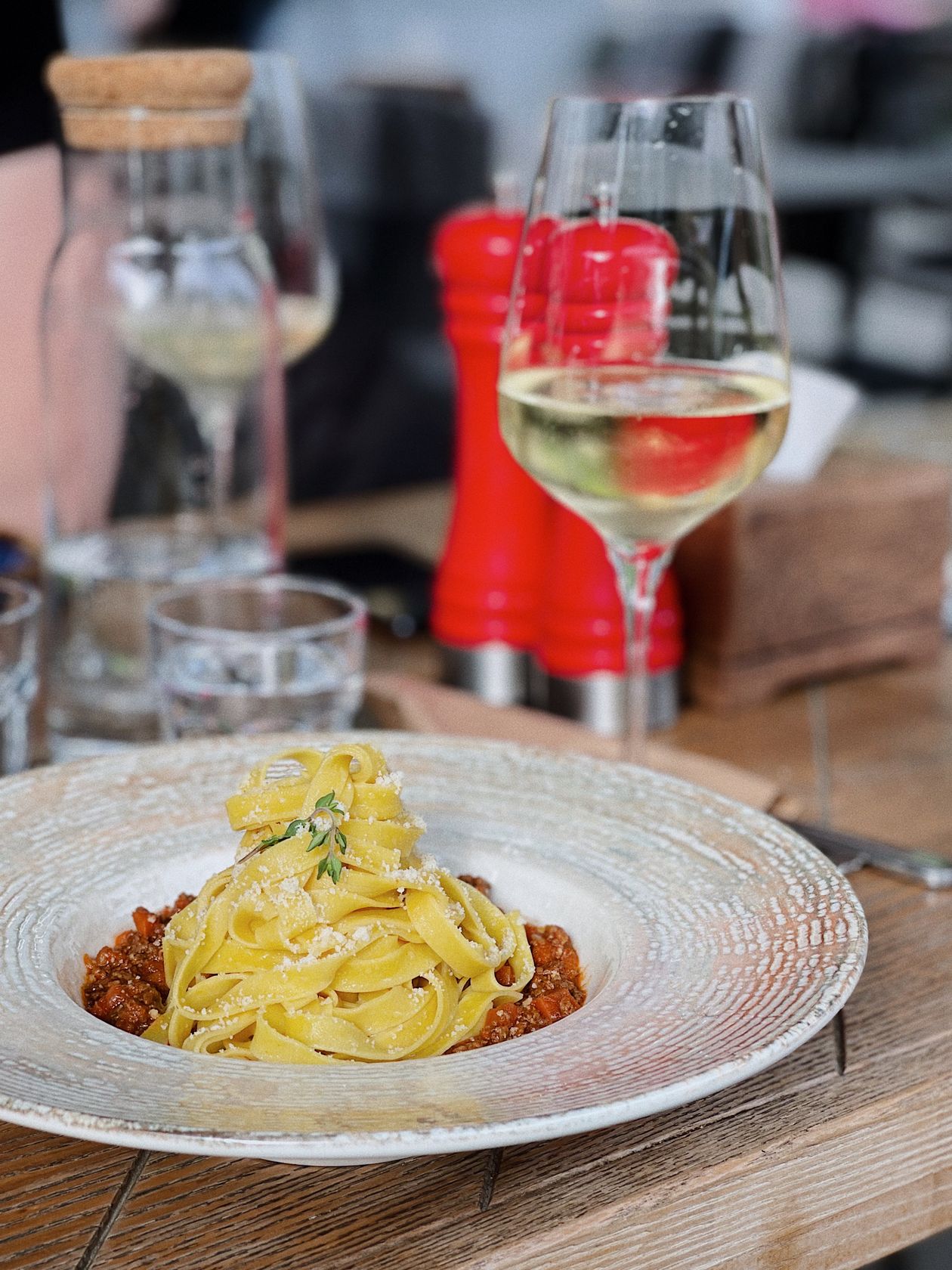
Baked and braised dishes are catering's backbone: lasagna and baked ziti, chicken marsala, meatballs in sauce. They reheat evenly, hold at serving temperature without falling apart, and taste the same at minute ten and minute sixty. Salads travel well if dressed at the site. Garlic bread survives if it is wrapped and served warm rather than crisp.
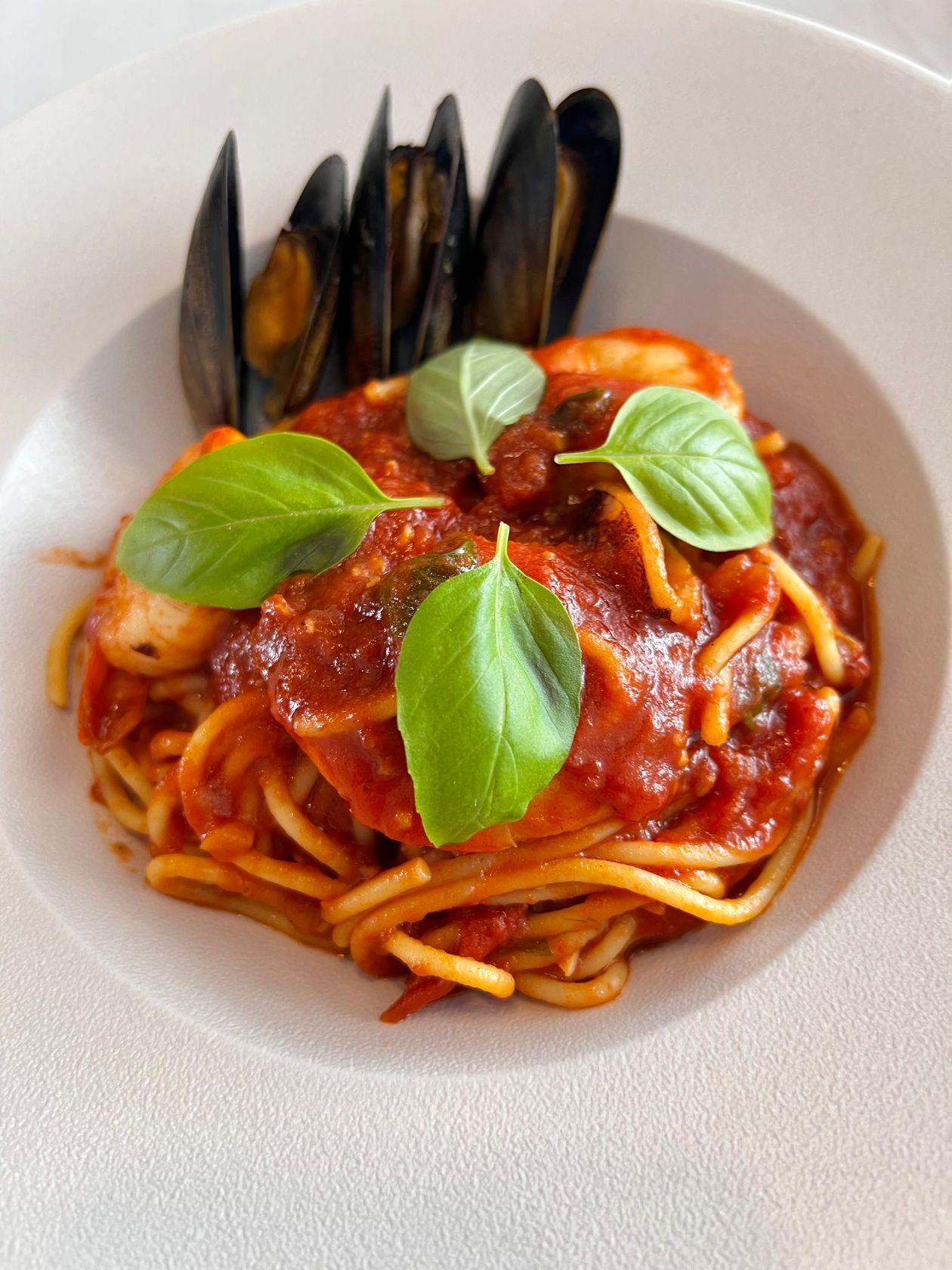
The dishes to leave at the restaurant are the ones built on contrast: anything crisp fried, including parmigiana, which softens under sauce, and seafood pastas, which keep cooking in their own heat and turn in twenty minutes. Mussels are a dining room food. Full stop.
Pricing and portions, in plain terms
Catering is usually priced per person against a chosen menu, with delivery and setup sometimes folded in and sometimes separate. Ask which, plainly, before signing anything. For portions, caterers plan around appetites at events running larger than at seated dinners, because guests graze. Ordering for your full headcount rather than discounting for expected no-shows is the standard advice, and the events that run out of food are almost always the ones that discounted.
Done right, catering gives a host the restaurant's best cooking with none of the restaurant's constraints. Done casually, with a menu chosen for how it reads rather than how it travels, it disappoints people who would have loved the same kitchen at a table. The difference is almost always those five steps.
Questions worth asking before you sign
A few plain questions separate smooth catering from expensive surprises. Is delivery included, and if not, what does it cost? What time does the food leave the kitchen, and who provides the chafing dishes and serving spoons? How long will the food hold at serving temperature, and who is responsible for it once it is set up? What is the deadline for changing the headcount, and in which direction can it move? A caterer who answers these crisply, in writing, is showing you the same organization your event will get.
Also ask what the kitchen itself recommends for your format. A caterer who steers you away from a dish is protecting your event at the cost of an easier sale, and that instinct is worth more than any single menu item. The hosts who get the best results treat the first catering call as a consultation, describe the room, the crowd, and the schedule honestly, and then let the people who have run a hundred of these shape the menu around the event rather than the other way around.
Finally, book earlier than feels necessary for the busy months. December, graduation season, and wedding season fill catering calendars in Iredell County weeks out, and a restaurant can only run so many events from one kitchen in a day. An early call gets you the date, the kitchen's full attention, and time to taste and adjust. A late call gets whatever capacity is left, and catering is too visible an event to run on leftovers of anyone's schedule, including the caterer's.
Common questions
What Italian dishes cater best?
Baked pastas, chicken marsala, meatballs, and salads dressed on site. They hold temperature and texture through delivery and a long serving window.
What should I avoid ordering for catering?
Crisp fried dishes like parmigiana and delicate seafood, especially mussels and seafood pasta. They lose their texture within minutes of leaving the kitchen.
How much food should I order for an event?
For your full expected headcount. Event guests graze and eat more than seated diners, and running out is the most common catering mistake hosts make.
Photos in this guide are representative stock images.
← All guides from Mezzaluna II← Back to Mezzaluna II